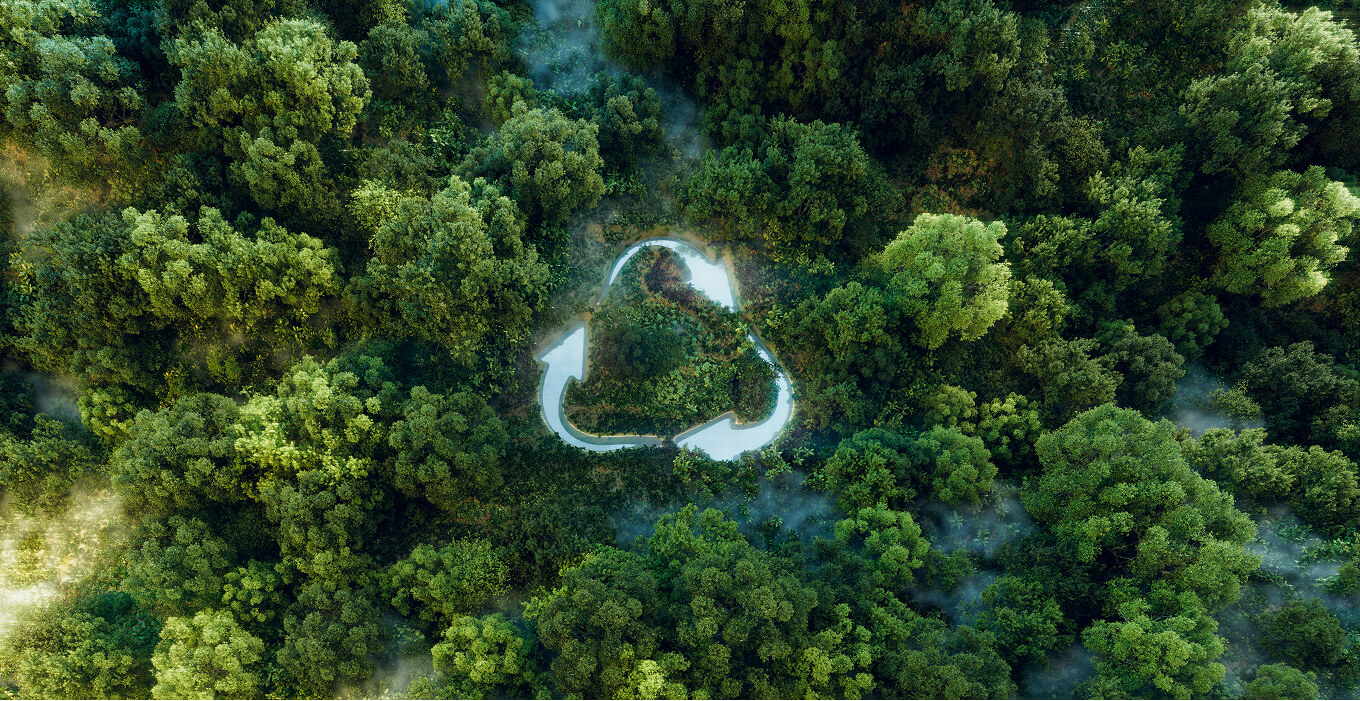
YOKOHAMA has been recognised multiple times through inclusion in CDP's
Climate A List.
Yokohama is proud of this recognition, which reflects the company's approach to environmental transparency and climate-related disclosures.

Managing emissions

Yokohama works to address greenhouse gas emissions from its operations through compliance with applicable international commitments and national regulations, while also setting voluntary environmental targets for its operations.

Principales réalisations

YOKOHAMA's Zero Emissions Initiative

Since March 2006, all eight YOKOHAMA production sites in Japan have participated in the company's Zero Emissions initiative. By the end of FY2009, all sites had achieved 100% industrial waste recycling.

Waste reduction at global production sites

Production sites in the Philippines, China and Thailand have also implemented initiatives to reduce and recycle industrial waste. Yokohama’s overseas production sites continue to work toward improving resource efficiency and waste management.

Environmental progress and initiatives

Yokohama a réduit les émissions de CO₂ de ses installations de 30%

30% reduction in CO₂ emissions from facilities

Since 2005, Yokohama has reduced CO₂ emissions from its facilities by more than 30% compared with 2005 levels..
Yokohama a réduit sa consommation d'eau douce de 20% au cours des cinq dernières années.

20% reduction in freshwater consumption

Freshwater consumption has been reduced by 20% over the last five years through measures including water recycling and improvements in water-use efficiency.
Les pneus Yokohama utilisent 25% de matériaux recyclés et renouvelables

Up to 25% recycled and renewable materials

Selected Yokohama tyre products incorporate recycled and renewable materials, with some products containing up to 25% recycled and renewable material content. This approach supports efforts to reduce the use of virgin materials in tyre production

Objectifs futurs

Développement durable à Yokohama
01.

Product environmental initiatives

Focusing on material innovation, resource efficiency and product development as part of Yokohama's approach to environmental management.
Développement durable à Yokohama
02.

50% greenhouse gas reduction target

Yokohama aims to reduce total greenhouse gas emissions by 50% or more compared with 2005 levels, in line with its defined emissions reduction targets and value-chain scope.
Développement durable à Yokohama
03.

Utilisation efficace de l’eau
l'utilisation de l'eau

Yokohama is implementing initiatives across its global production sites to reduce the standard consumption unit of water intake by 1% year-on-year.
Développement durable à Yokohama
04.

Conservation de la biodiversité

Yokohama implements biodiversity conservation initiatives at production sites and in surrounding areas, with activities adapted to local environmental conditions.

Le projet Forever Forest

The Forever Forest initiative is Yokohama’s long-term reforestation and biodiversity programme. Launched in 2007, the initiative focuses on planting trees around Yokohama’s factories and offices worldwide, with a focus on local vegetation and surrounding areas.
Through tree planting in Yokohama’s operating regions, the project contributes to reforestation efforts, biodiversity initiatives and engagement with local communities. Yokohama aims to plant 1.5 million trees by 2030 as part of the initiative.
Développement durable à Yokohama
000

nombre d’arbres plantés à fin 2023

+

usines et bureaux participants dans le monde

1. million

arbre à planter d'ici 2030

Reforestation and biodiversity initiatives

The Forever Forest initiative contributes to reforestation efforts, biodiversity initiatives and local community engagement around Yokohama’s operating sites.
Développement durable à Yokohama
 

CO₂ absorption through tree growth

Trees planted through the Forever Forest initiative absorb CO₂ as part of their natural growth process.
Développement durable à Yokohama


Biodiversity initiatives

The initiative involves creating and maintaining areas of vegetation around participating sites as part of Yokohama’s biodiversity initiatives.
Développement durable à Yokohama
 

Impact social

The programme provides opportunities for employees, volunteers and local communities to participate in tree-planting activities.

Decades of innovation in tyre technology

For decades, Yokohama has developed technologies focused on tyre efficiency, performance and durability. Research into rolling resistance, materials and tyre construction has supported the development of technologies designed to address energy losses while supporting driving performance characteristics.
1980s

Composés à base de silice

Yokohama began researching the use of silica in tyre compounds to support the balance between rolling resistance and wet grip. This research contributed to the development of tyre technologies designed to support fuel efficiency and performance characteristics.
1998

Série DNA

Yokohama introduced the DNA tyre series in Japan in 1998. The series incorporated silica-based compound technology developed to balance fuel efficiency and wet-grip performance.
2010

BluEarth: a focus on tyre efficiency

The BluEarth series was launched in 2010 with a focus on technologies designed to balance driving performance with tyre efficiency. The range incorporates technologies developed with rolling resistance and fuel-efficiency considerations in mind.
2019

Fuel-efficient tyres

In 2019, 90.1% of Yokohama summer tyre sales in Japan came from models classified as fuel-efficient according to the applicable classification criteria.

Ultra-lightweight tyre concept

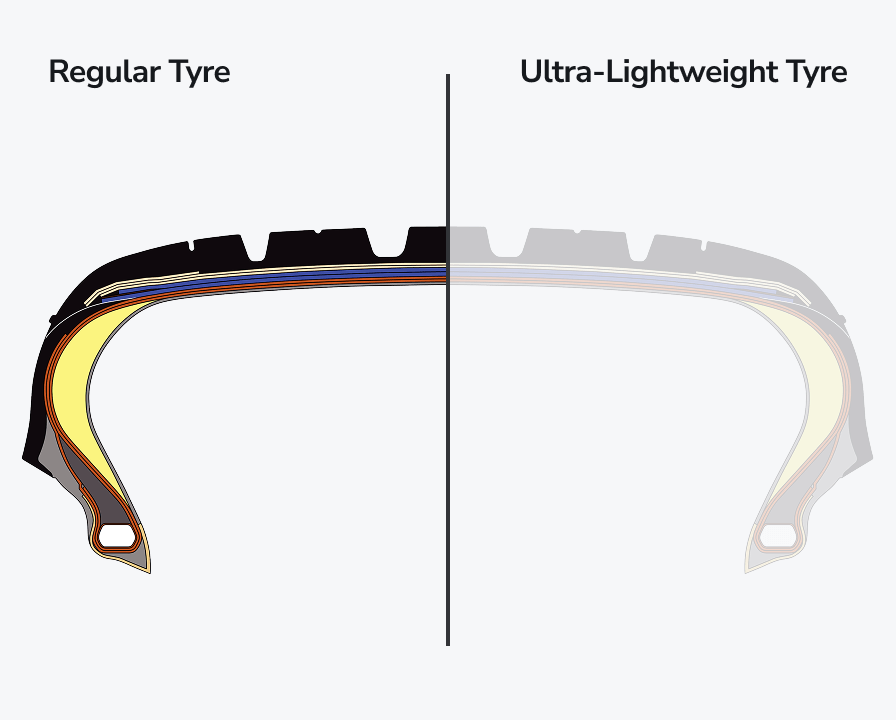
Yokohama is developing ultra-lightweight tyre concepts focused on reducing tyre weight while considering performance and durability requirements. The concept explores weight reductions of up to 50% compared with a defined conventional tyre reference.
Pneus ordinaires et pneus ultra-légers

Up to 50% weight reduction

The ultra-lightweight concept is designed to reduce tyre weight by up to 50% compared with the defined conventional tyre reference. Reducing tyre weight can contribute to lower rolling and rotational energy requirements, subject to vehicle and driving conditions.
Ailerons latéraux aérodynamiques des pneus Yokohama Advan
Zoom sur le flanc montrant les ailettes directionnelles avec visualisation du flux d’air pour illustrer la réduction de résistance

Ailettes aérodynamiques latérales

Directional fins on the inner and outer sidewalls are designed to help manage airflow around the tyre and support aerodynamic characteristics.
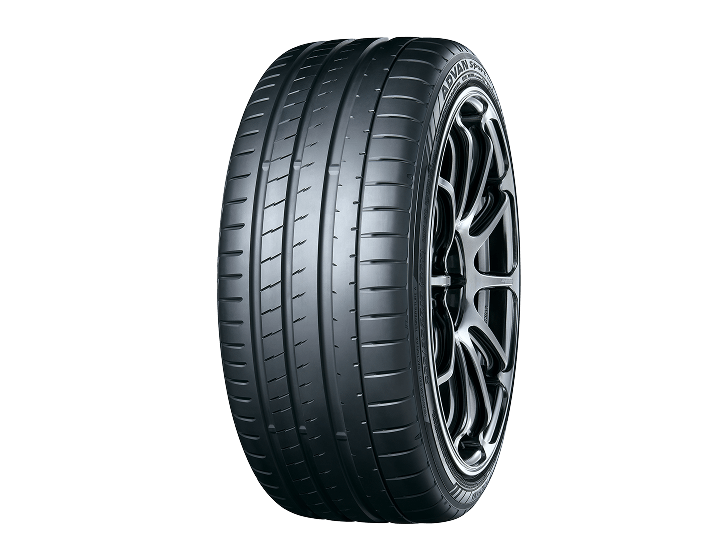
Pneus Yokohama

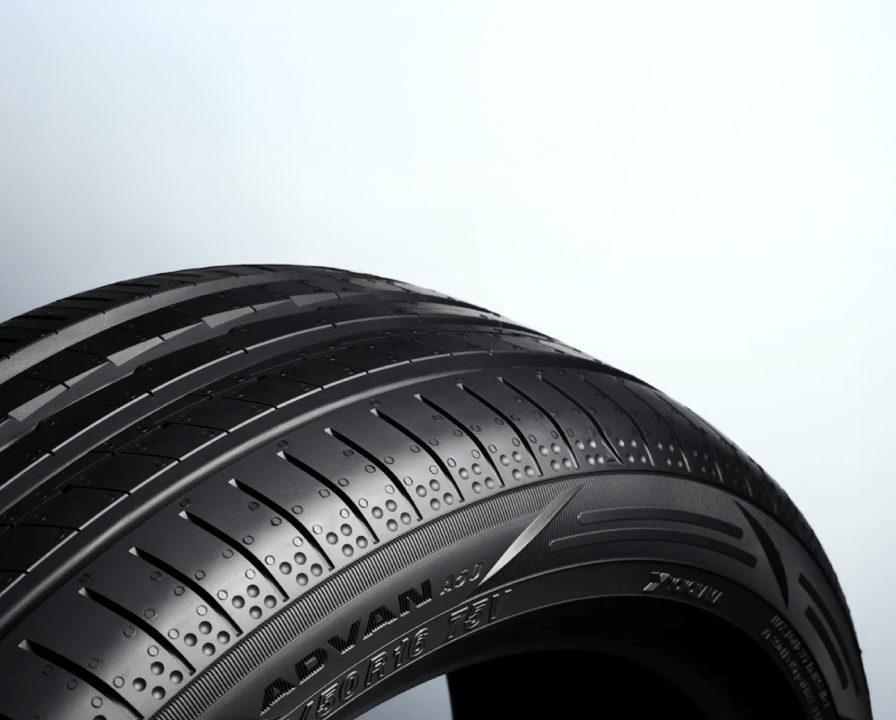
Advanced tread pattern

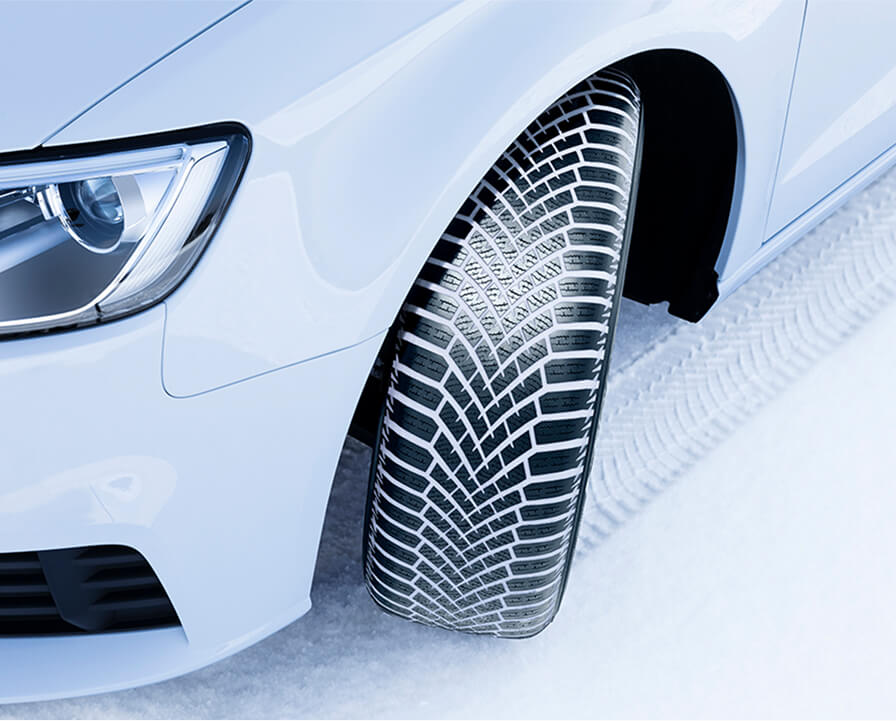
The tread pattern is engineered to support grip and braking performance on wet and icy road surfaces.

Contenu des pneus Yokohama

Structure légère renforcée

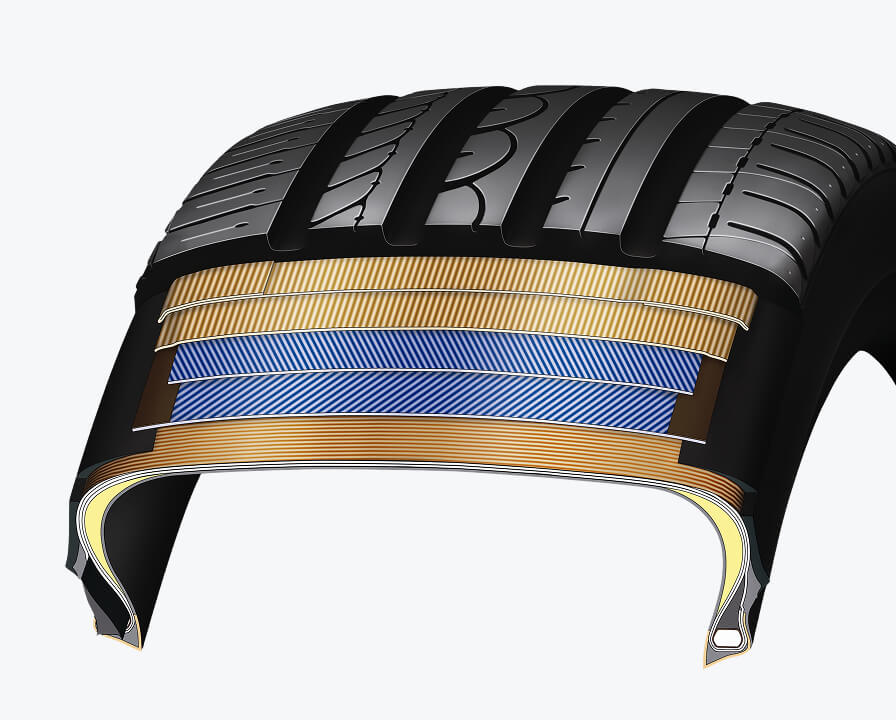
A high-strength, thinner carcass and belt structure are designed to reduce tyre weight while maintaining the required structural strength and durability.

Gamme de pneus BluEarth

BluEarth tyres incorporate technologies developed to balance driving performance, efficiency and durability. Depending on the specific product, these technologies can include rolling-resistance technologies, material innovation and construction designed to support tyre longevity.
The environmental and efficiency characteristics of BluEarth tyres vary by product. Specific performance claims should therefore be considered in relation to the individual tyre model and its applicable test or classification results.
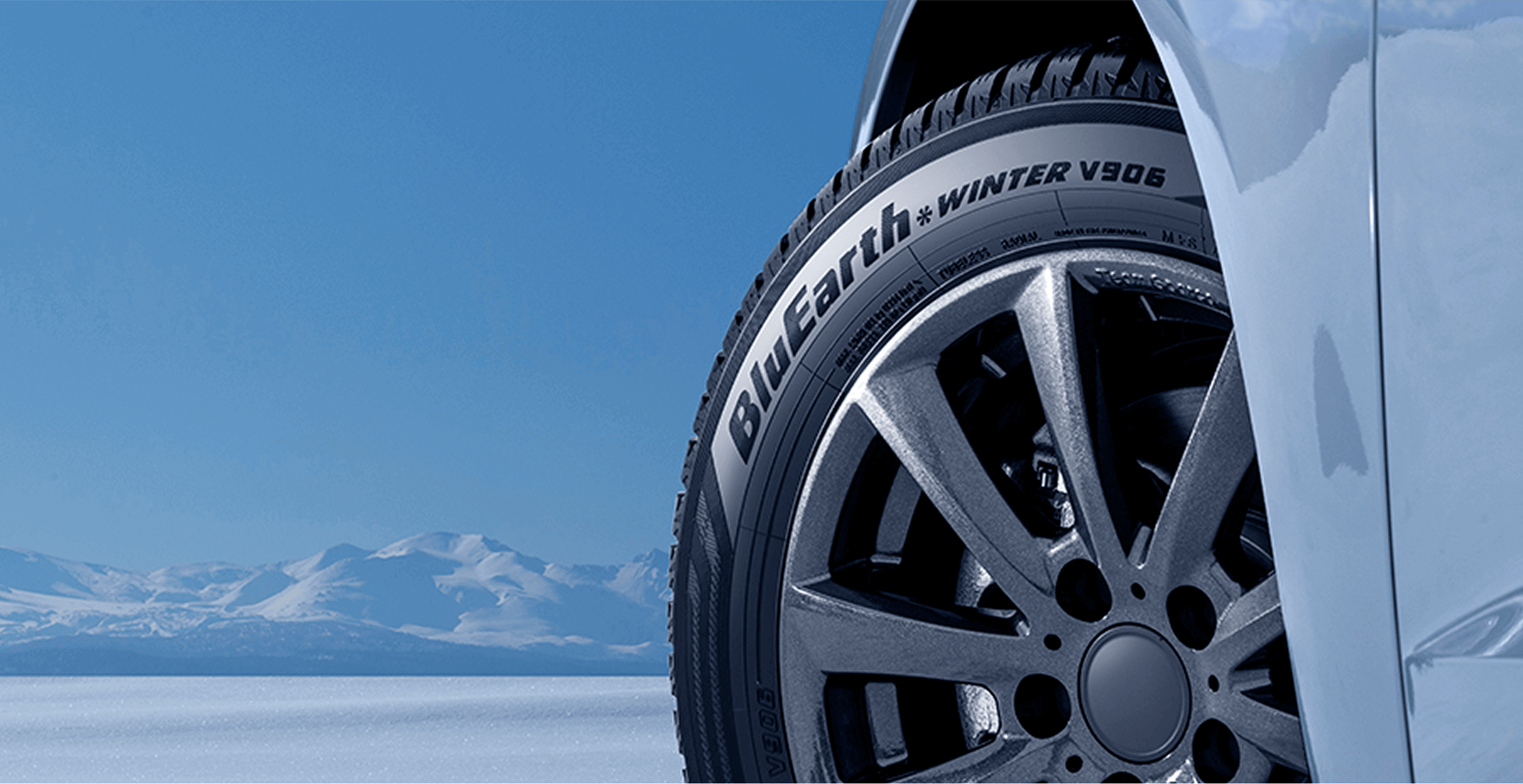
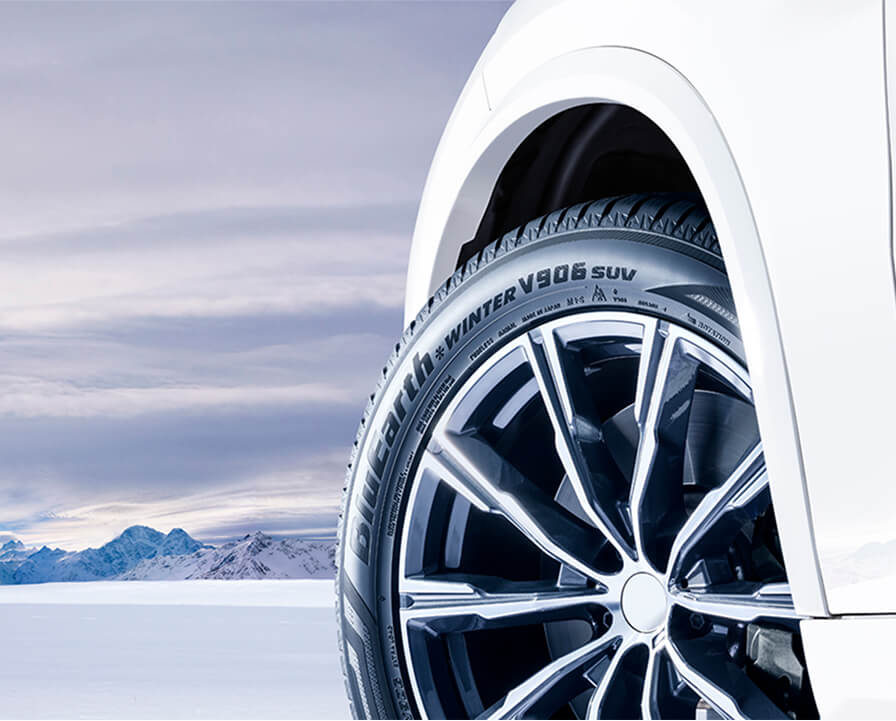
Pneus durables BlueEarth de YokohamaPneu Yokohama BluEarth*Winter V906

BluEarth au cœur

La Terre est faite pour rester bleue, et nous voulons la préserver ainsi. Grâce à des actions ciblées, pas à pas, nous œuvrons pour un avenir plus propre et plus sûr pour tous.

BluEarth technology: a focus on tyre efficiency

BluEarth technology incorporates materials, compounds and tyre designs developed to support efficiency while maintaining performance and durability.
Réduction de la résistance au roulement des pneus Yokohama

Rolling resistance technologies

Selected BluEarth tyres feature tread designs and rubber compounds developed with rolling resistance considerations in mind. Rolling resistance is one of several factors that can influence the energy required to move a vehicle and may contribute to fuel-efficiency characteristics, depending on vehicle type, driving conditions and other factors.
Yokohama choisit des matériaux écologiques pour ses pneus

Recycled and renewable materials

Selected BluEarth tyres incorporate recycled and renewable materials as part of Yokohama’s approach to reducing the use of virgin resources in tyre production. The proportion and type of recycled or renewable materials vary by product.
Les pneus Yokohama sont durables

Durability and service life

Selected BluEarth tyres incorporate construction technologies designed to support durability and tyre service life. Tyre service life may influence replacement frequency and associated material use, depending on product performance and operating conditions.
Pneus Yokohama

Efficiency-focused tyre design

BluEarth tyre designs incorporate engineering solutions intended to balance rolling resistance, grip, handling and durability. Specific technologies and performance characteristics vary by product.

Engineered for efficiency

Yokohama develops tyre technologies focused on efficiency while addressing the performance and durability requirements of everyday driving. Through research into compounds, materials, tread patterns and tyre construction, Yokohama continues to develop solutions designed to support energy efficiency and tyre performance characteristics.
Retour
Instruction
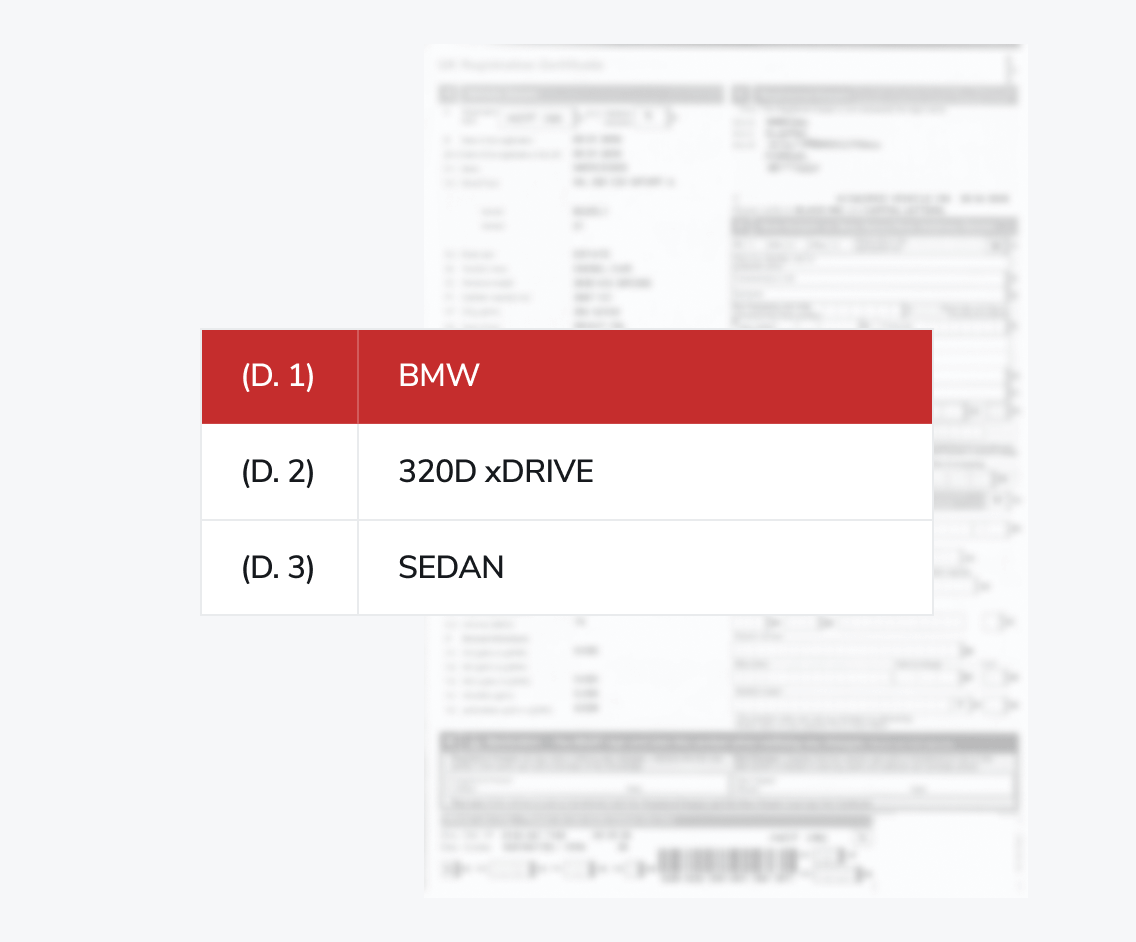
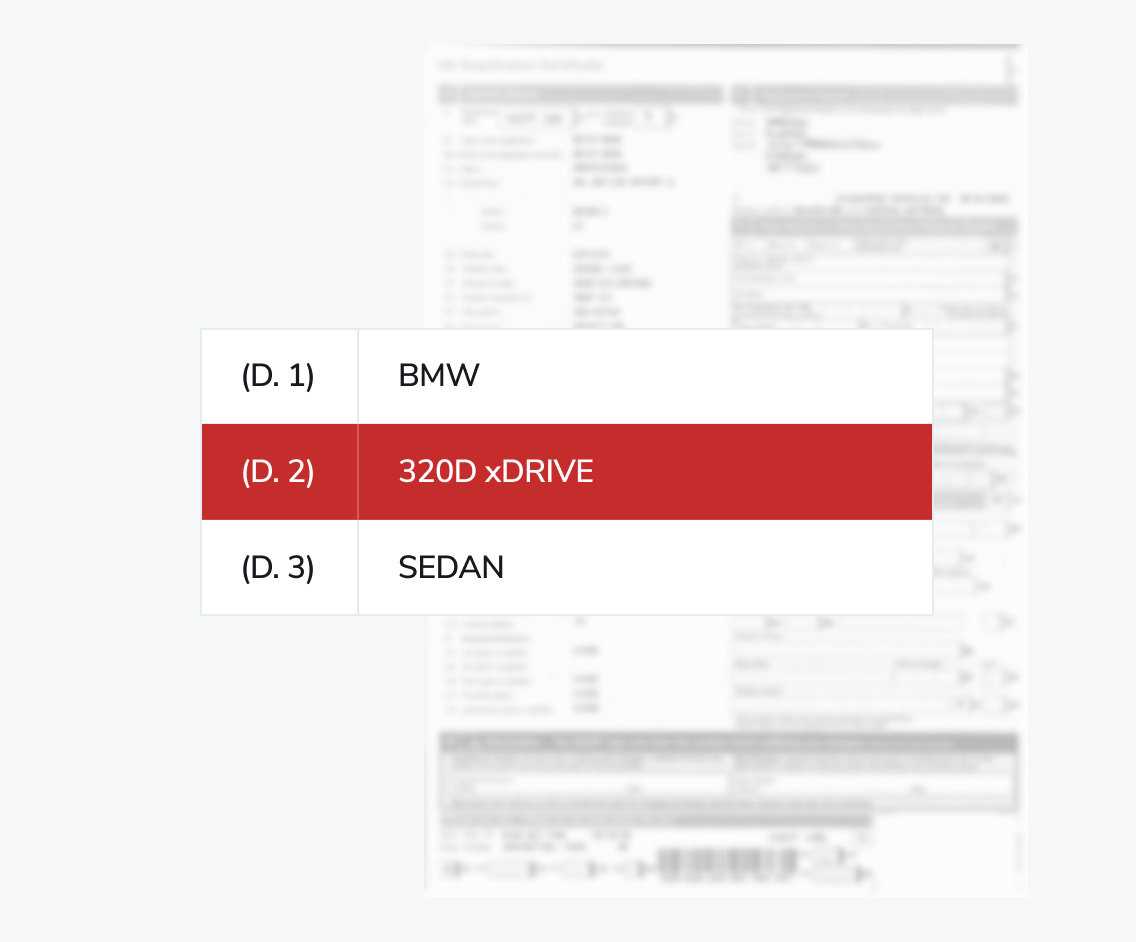
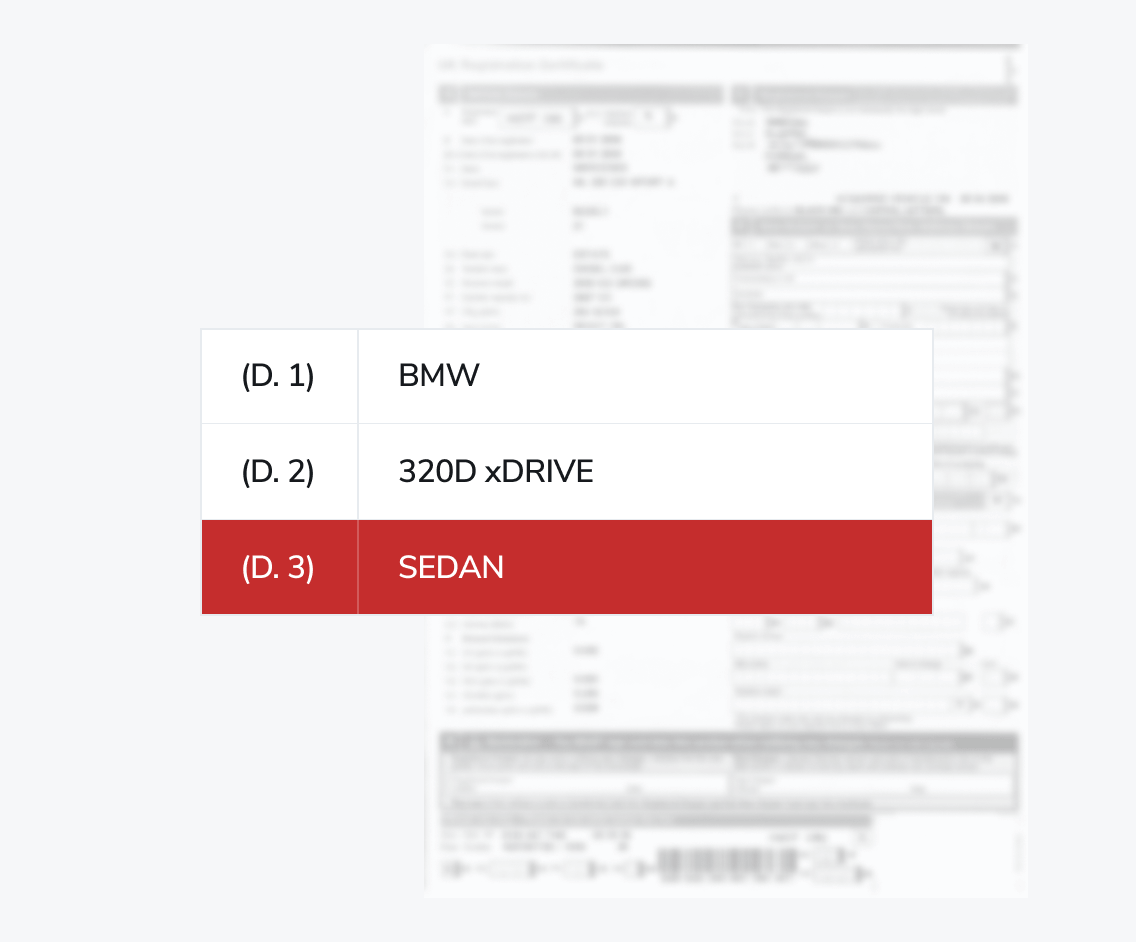
Les principales informations sur votre véhicule – telles que la marque, le modèle, l’année de production et les tailles de pneus homologuées – se trouvent dans votre certificat d’immatriculation.
marque
Modèle
Version
Année
Taille du pneu
Marque du véhicule
Modèle du véhicule
Trouvez votre marque de voiture
Modèle du véhicule
Vous pouvez trouver le modèle de votre véhicule dans la case D.2 du certificat d’immatriculation.
Trouvez votre modèle de taille de pneu
Version du véhicule
Vous pouvez trouver le type de carrosserie ou la finition spécifique dans la case D.3 du certificat d’immatriculation.
Recherchez votre marque de voiture
Année de production du modèle
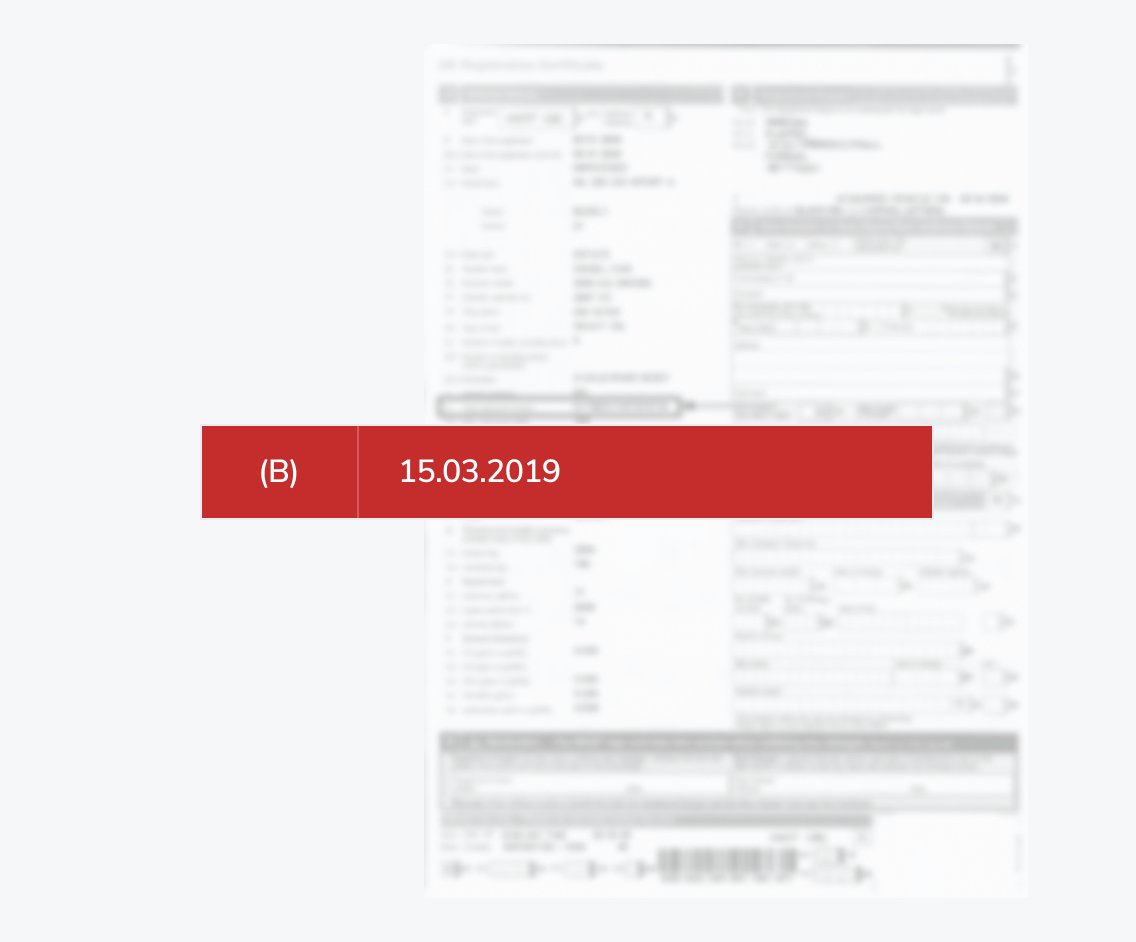
Vous pouvez trouver l’année de production dans la case B du certificat d’immatriculation – elle correspond à la date de première immatriculation.
Recherchez la taille de votre pneu
Taille du pneu
Vous pouvez trouver la taille de vos pneus imprimée sur le flanc de vos pneus actuels.
Illustration de la taille des pneus
Retour
Instruction
Tous les pneus possèdent des marquages sur le flanc indiquant la largeur de section, le rapport hauteur/largeur, le type de construction, le diamètre de la jante, l’indice de charge et la catégorie de vitesse.
Largeur
Rapport hauteur/largeur
Diamètre
Largeur du pneu
Il s’agit du premier chiffre de la taille de votre pneu. Il indique la largeur du pneu en millimètres, mesurée d’un flanc à l’autre.
Largeur du pneu
Rapport hauteur/largeur
Il s’agit du deuxième chiffre de la taille de votre pneu. Il représente la hauteur du flanc en pourcentage de la largeur du pneu.
Diamètre du pneu
Diamètre
Il s’agit du troisième chiffre de la taille de votre pneu. Il indique le diamètre de la jante, exprimé en pouces.
Rapport entre les pneus
0 produits en comparaison